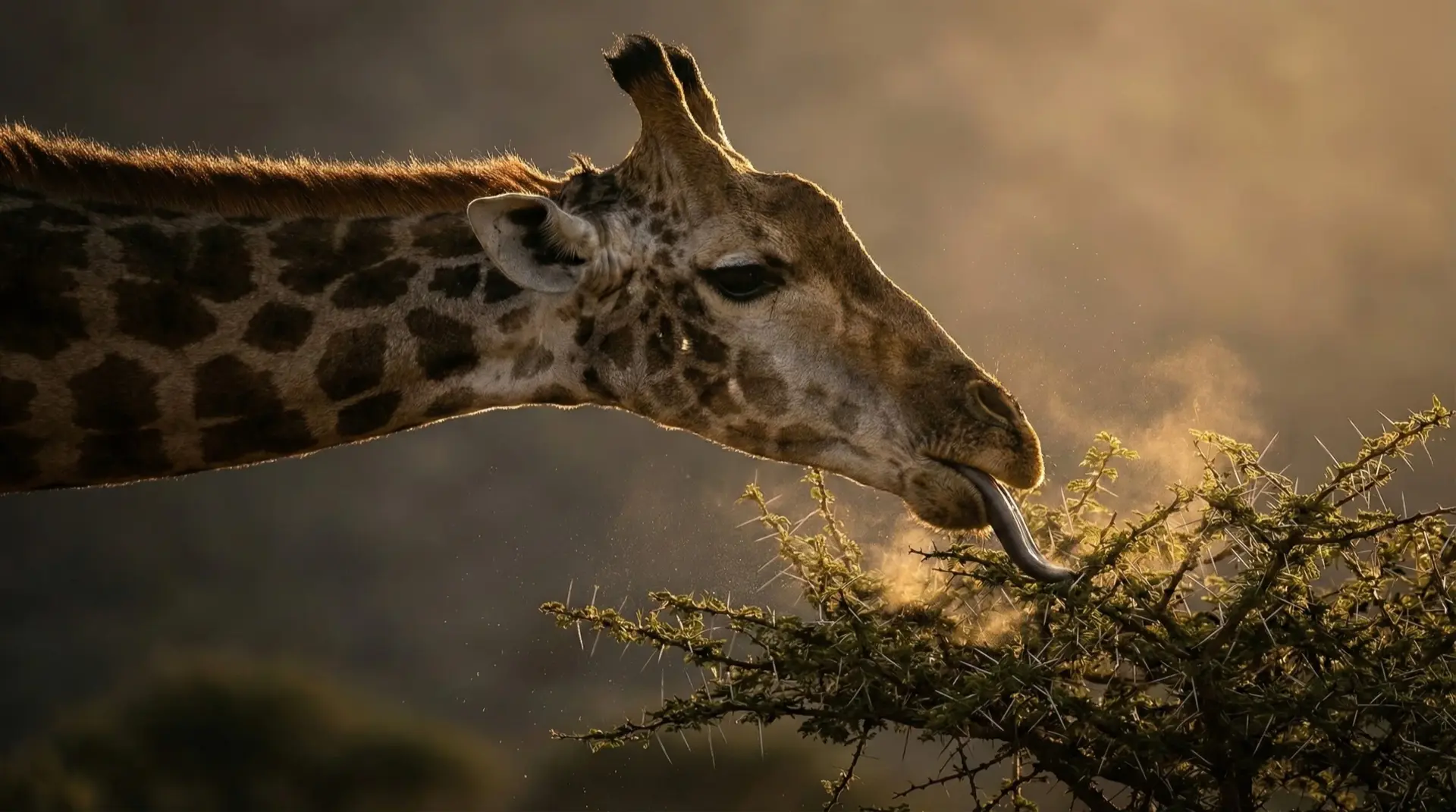
There is a particular magic to waking up, stepping onto your private patio with a cup of coffee, and watching a giraffe browse the treetops just thirty meters away. No game vehicle. No guide. Just you, the silence of the bushveld, and one of Africa's most graceful creatures, unhurried and close enough to hear the tearing of leaves.
At Rocking Giraffe Bush Lodge, this isn't a once-in-a-lifetime moment. It's Tuesday.
Our Resident Tower
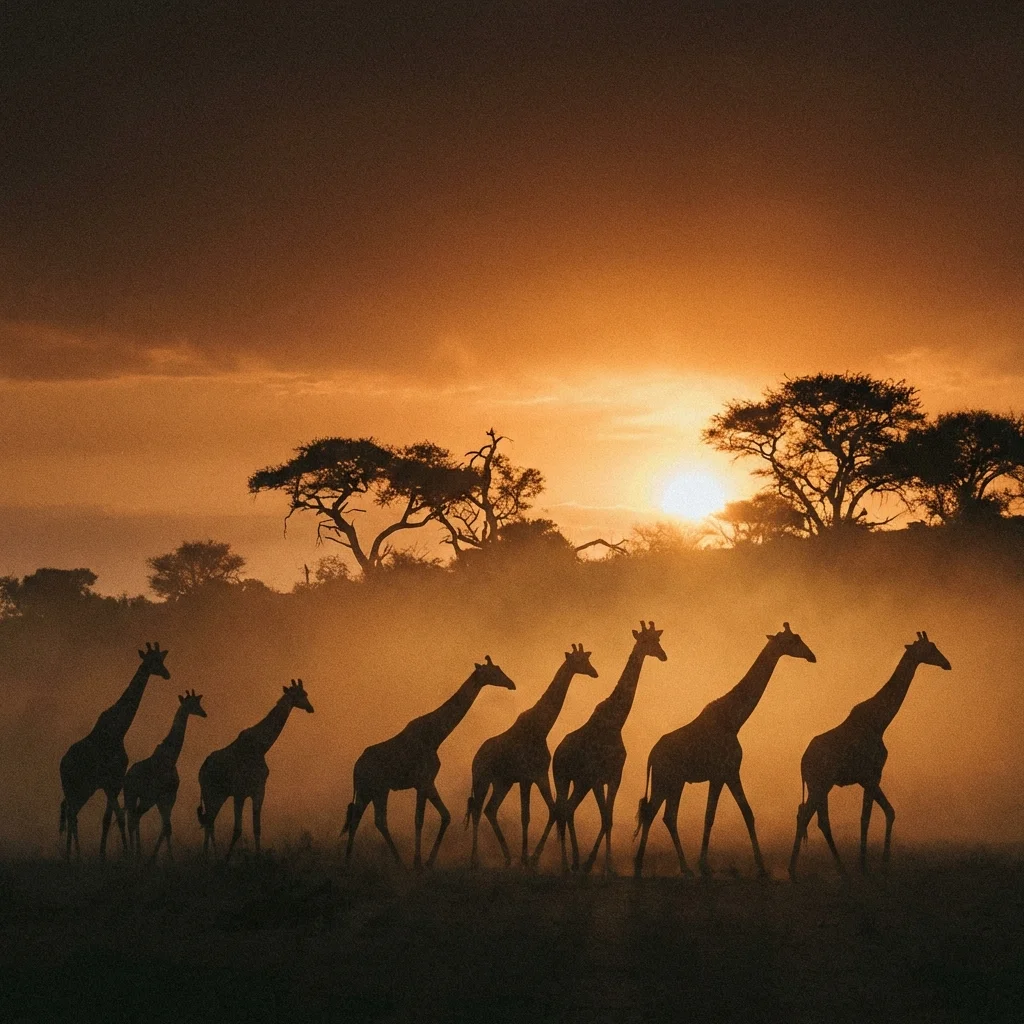
The reserve is home to a breeding herd of South African giraffes (Giraffa camelopardalis giraffa), the most common subspecies in the region. A group of giraffes is called a tower—a fitting name when you consider that adult males can reach heights of 5.5 meters.
Our tower currently consists of approximately 12 individuals, including:
- Acacia — a mature female and experienced mother, easily identified by the distinctive heart-shaped patch on her left flank
- Baobab — the dominant bull, a towering presence with darkened patterns indicating his age
- Thorn — a young male often seen sparring with Baobab in the late afternoon
- Several juveniles and calves of varying ages
Because our reserve operates as a free-roaming conservancy within the Marico Biosphere, the giraffes move naturally across the landscape. They're not fenced into a viewing area—they go where the browse is good. This means sightings are organic, authentic, and endlessly surprising.
Acacia browsing near the North Gate
The Miracle of a Giraffe Birth
Giraffe calves enter the world in spectacular fashion: they drop nearly two meters from their mother to the ground. This jarring arrival isn't cruel—it's essential. The impact breaks the amniotic sac and stimulates the calf's first breath. Within 30 minutes, most calves are standing. Within an hour, they're walking.
We've been fortunate to witness several births on the property over the years. The most recent arrival, spotted in early spring near the North Gate, was a healthy female calf born to Acacia. Mother and baby are doing well, and the herd has been seen forming a protective circle around the newborn during the vulnerable early weeks.
"A giraffe calf is born knowing it must stand or die. There is no room for hesitation in the bush. Within its first hour of life, it has already survived its most dangerous moment."
Giraffe Behavior: What to Watch For
Giraffes are endlessly fascinating to observe, especially when you know what you're looking at:
Necking
Young males often engage in necking—a ritualized combat where they swing their heavy heads at each other's necks and bodies. It looks brutal but rarely causes injury. The winner earns status in the hierarchy and priority access to females.
Browsing Preferences
Giraffes are selective feeders. In the Marico, their diet consists primarily of Vachellia (acacia) species, particularly the Sweet Thorn and Umbrella Thorn. Watch for their remarkable prehensile tongues—up to 45cm long and specially adapted to navigate the vicious thorns.
The Water Ritual
Drinking is a vulnerable moment for a giraffe. They must splay their front legs wide to lower their heads to the water, a position that makes them easy targets for predators. You'll often see giraffes hesitate at the waterhole, scanning the surroundings before committing to a drink.
Conservation in the Marico
While giraffes are not yet endangered, their populations have declined by 40% over the past 30 years—a phenomenon scientists call a "silent extinction." Habitat loss, poaching, and disease are the primary threats.
Private reserves like Rocking Giraffe play a crucial role in conservation. By maintaining healthy populations in protected environments, we contribute to the genetic diversity and long-term survival of the species. Our reserve operates under the guidelines of the Marico Biosphere Reserve, ensuring sustainable land management and minimal human interference.
Best Time to See Wildlife
Giraffes are most active during the cooler hours of the day: early morning (06:00-09:00) and late afternoon (16:00-18:00). During the heat of midday, they often rest in the shade of large trees, making them harder to spot.
For the best wildlife viewing at Rocking Giraffe:
- Dry season (May-September): Animals concentrate around water sources, making sightings more predictable
- Spring (September-November): Calving season brings new arrivals and dramatic predator-prey interactions
- Summer (December-February): Lush vegetation and dramatic afternoon thunderstorms
Ready to meet the tower? Book your stay and experience wildlife on your doorstep.
Frequently Asked Questions
Can you see giraffes near Johannesburg?
Yes! Rocking Giraffe Bush Lodge is located in the Groot Marico, approximately 2.5-3 hours drive from Johannesburg. Our resident giraffe tower can often be seen from the chalets themselves.
Is Groot Marico a game reserve?
The Groot Marico region contains multiple private game reserves and conservancies within the UNESCO Marico Biosphere Reserve. Rocking Giraffe operates as a free-roaming wildlife property with resident giraffe, zebra, kudu, wildebeest, and numerous antelope species.
Are the animals dangerous?
Our reserve is wildlife-friendly but does not contain dangerous predators like lions or leopards. While all wild animals should be respected, guests can safely enjoy the grounds, trails, and viewpoints without armed escort.
Can children see the giraffes?
Absolutely. Rocking Giraffe is one of the most family-friendly wildlife destinations in the North West. Children of all ages are welcome, and the accessibility of the wildlife makes it an ideal first safari experience.